
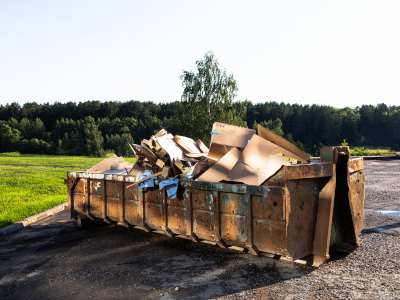
Skip collections rarely get delayed without a reason. In most cases, there is usually a practical issue preventing the container from being removed safely, legally or efficiently. This can be frustrating on busy construction projects, commercial clearances and domestic renovations where waste continues to build up throughout the day, especially when labour, access and project timelines all depend on the skip being exchanged or collected on schedule.
While many people assume a missed collection is simply a scheduling problem, the reality is often more complicated. Weight restrictions, overloaded skips, restricted access and prohibited waste are some of the most common reasons collections cannot go ahead as planned. Understanding how skip collections work can help avoid unnecessary disruption and ensure waste removal runs more smoothly from the start.
Why Skip Collections Are More Complex Than Most People Realise
Removing a skip safely involves far more than simply loading it onto a wagon and driving away. Every collection must comply with transport regulations, road safety requirements and lifting restrictions before the driver can legally remove the container from the site.
This becomes particularly important on construction and renovation projects where skips are often filled with dense materials such as soil, hardcore, concrete and rubble. A skip may appear only partially full visually while already approaching the legal transport limit for the collection vehicle itself. Wet waste can make this even more difficult, particularly during winter months, when rainwater significantly increases the overall load weight.
Collection vehicles also require enough surrounding clearance to safely lift the skip. Overhanging trees, parked cars, narrow roads, scaffolding and restricted site access can all prevent a driver from completing the collection safely. In many situations, the issue is not whether the skip can technically be removed, but whether it can be transported without creating a safety or legal risk.
Working with a reliable skip hire provider from the outset can help prevent many of these problems before they occur. Choosing the correct skip size, understanding weight restrictions and planning suitable access routes all play an important role in keeping collections running efficiently.
Overloaded Skips Are One of the Biggest Causes of Delays
Overloaded skips are one of the most common reasons collections cannot go ahead as scheduled. Once waste exceeds the fill line or transport weight restrictions, the driver may be unable to legally remove the container from the site until the excess material has been reduced.
Heavy construction waste causes the majority of these issues. Materials such as concrete, paving slabs, bricks, clay and hardcore can become extremely heavy long before the skip itself appears full. This often catches customers off guard on groundwork and demolition projects where large volumes of dense waste are being removed quickly.
Many people assume larger skips automatically allow for larger quantities of heavy waste, but this is not always the case. In reality, smaller skips are often more suitable for dense construction materials because they help keep transport loads within legal road limits.
The table below shows how different construction waste types are commonly managed across various skip sizes.
Waste Type | Recommended Skip Sizes | Common Collection Issue |
|---|---|---|
Soil and clay | Excess transport weight | |
Concrete and hardcore | Dense waste overloading the wagon | |
Mixed renovation waste | Usually suitable when mixed correctly | |
Light domestic waste | 8-yard skips and above | Rarely weight restricted |
Timber and packaging waste | Large skips and roll-on roll-off containers | Volume rather than weight |
This is why experienced skip hire companies will often recommend smaller containers for heavy materials rather than simply supplying the largest skip available. Although it may seem less efficient initially, it usually prevents failed collections, wasted labour time and delays once the project is already underway.
Access Problems Frequently Prevent Skip Collections
Access restrictions are another major reason skip collections are delayed across both domestic and commercial projects. Collection vehicles need enough room to safely position beside the skip, operate the lifting equipment and leave the site without obstruction.
Even relatively small issues can create significant problems on collection day. A single parked vehicle blocking lifting access may prevent the entire collection from taking place, particularly on narrow residential roads where there is limited manoeuvring space for large wagons.
Construction sites can create additional complications where layouts change regularly throughout the project. Building materials, temporary fencing, scaffolding and machinery can all restrict access around the container by the time the collection vehicle arrives.
Some of the most common access issues include:
- parked vehicles blocking the skip
- locked gates or restricted entry points
- narrow roads or tight turning areas
- scaffolding positioned above the container
- overhanging trees or low cables
- site materials obstructing lifting access
Checking these issues in advance can help avoid unnecessary delays and ensure collections take place safely on the first visit.
Incorrect Waste Types Can Delay Removal
Skip collections may also be delayed where prohibited or restricted waste has been placed inside the container. Certain materials cannot legally be mixed with general skip waste and may require separate disposal procedures before the skip can be removed.
Plasterboard is one of the most common examples, particularly on refurbishment projects, where it has been mixed into general builders’ waste. Hazardous materials such as asbestos, chemicals, gas cylinders and paint products create even more serious compliance issues and can prevent collection entirely until removed safely.
Electrical items, tyres and fridges may also require specialist disposal routes depending on the waste stream involved.
These restrictions are not simply administrative. Waste management companies must comply with environmental legislation and transport regulations throughout the disposal process, which is why unsuitable materials can create delays even where the skip itself is otherwise ready for collection.
If there is any uncertainty about what can safely go into a skip, it is always worth checking before loading the container. This is particularly important on commercial and construction projects where multiple contractors may be using the same skip throughout the day.
Choosing the Right Skip Hire Provider Makes a Difference
Many skip collection delays can be avoided entirely through better planning and clearer communication before delivery takes place. Reliable skip hire providers will normally ask about the type of waste being removed, site access restrictions and expected loading conditions before recommending a suitable skip size.
This becomes especially important on construction projects where waste streams can change quickly throughout the job. Soil excavation, demolition waste and mixed renovation materials all behave very differently once loaded into a skip, and understanding these differences early helps avoid unnecessary disruption later.
Choosing an experienced provider also helps ensure collections are planned realistically around site conditions, permit requirements and transport restrictions rather than simply booking the largest skip available and hoping for the best.
Keeping Skip Collections Running Smoothly
Most delayed skip collections are caused by practical issues that can usually be avoided with the correct planning. Overloaded containers, blocked access, and unsuitable waste types are among the most common problems seen across construction, commercial and domestic projects throughout the UK.
Understanding how skip collections work, choosing the correct skip size and working with a reputable skip hire company can make the entire waste removal process far more efficient. This not only helps avoid failed collections and project delays, but also ensures waste is removed safely, legally and with minimal disruption to the site itself.
If you are unsure which skip size is suitable for your project, or need advice on heavy construction waste and collection requirements, the SkipHire UK team can help you choose the most practical option before booking. Call us directly on 03331 501 153 for expert support with your skip hire.